Yerba mate origin
From Ilex paraguariensis to a shared South American tradition
Learn where yerba mate comes from, the landscapes that shaped it, and how it became a daily ritual across Argentina, Paraguay, Uruguay, and southern Brazil.
What “yerba mate” is (and where it grows)
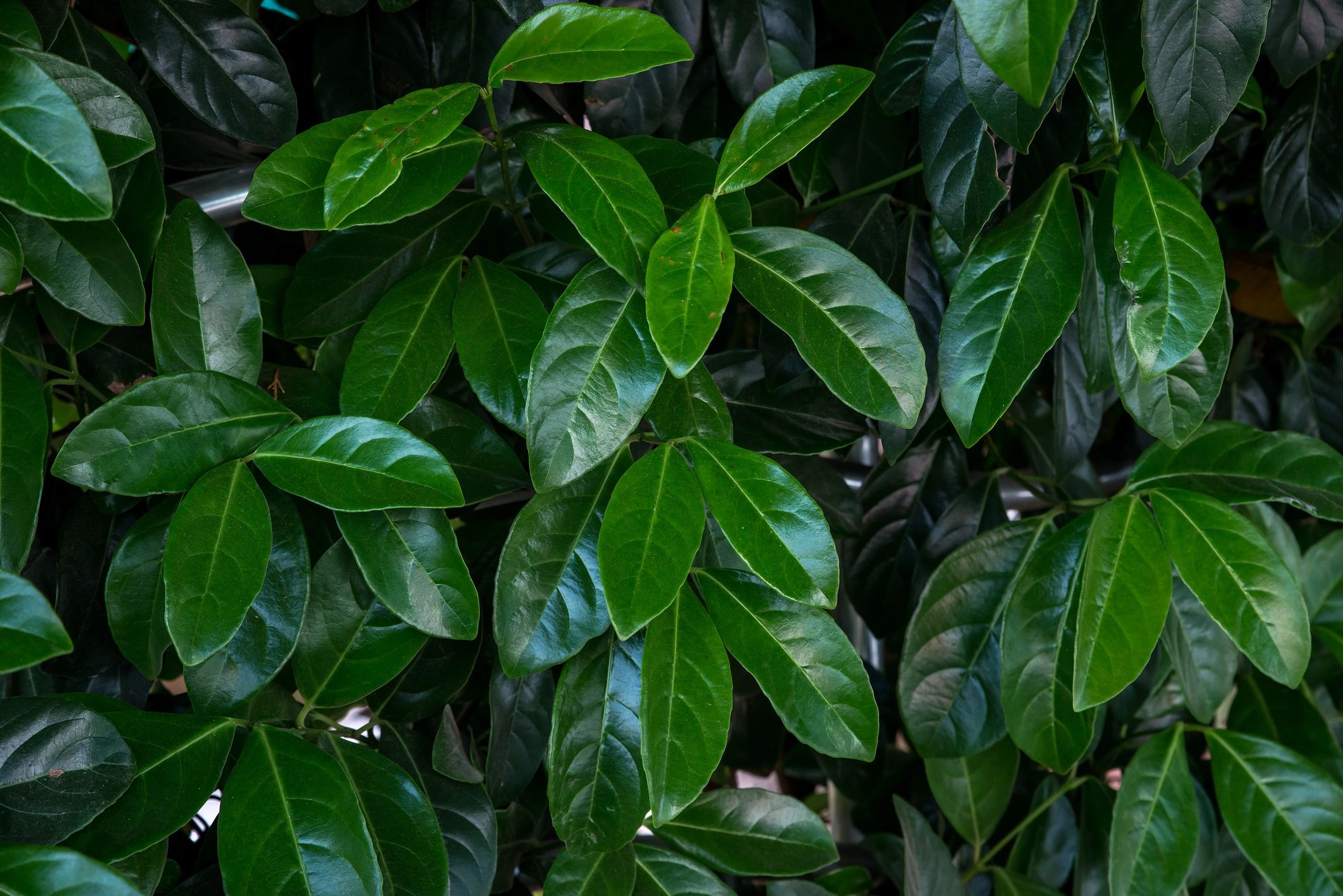
Yerba mate is made from the dried leaves and stems of Ilex paraguariensis, a holly tree native to the Atlantic Forest region of South America. It thrives in humid subtropical climates—especially in parts of Paraguay, northeastern Argentina (Misiones and Corrientes), southern Brazil, and Uruguay’s cultural sphere where mate is widely consumed.
A quick origin timeline (high-level)
This educational overview focuses on broad, widely cited milestones. For deeper context, visit the History page for expanded notes and sources.
Before colonization
Indigenous knowledge and everyday use
Long before global trade, Indigenous communities in the region prepared and shared mate as a social beverage and a practical source of stimulation during work and travel.
Colonial era
Cultivation expands and trade routes form
As settlement patterns shifted, yerba mate moved through regional trade networks. Over time, cultivation and processing methods became more standardized, helping mate reach wider audiences.
Modern era
From local staple to global curiosity
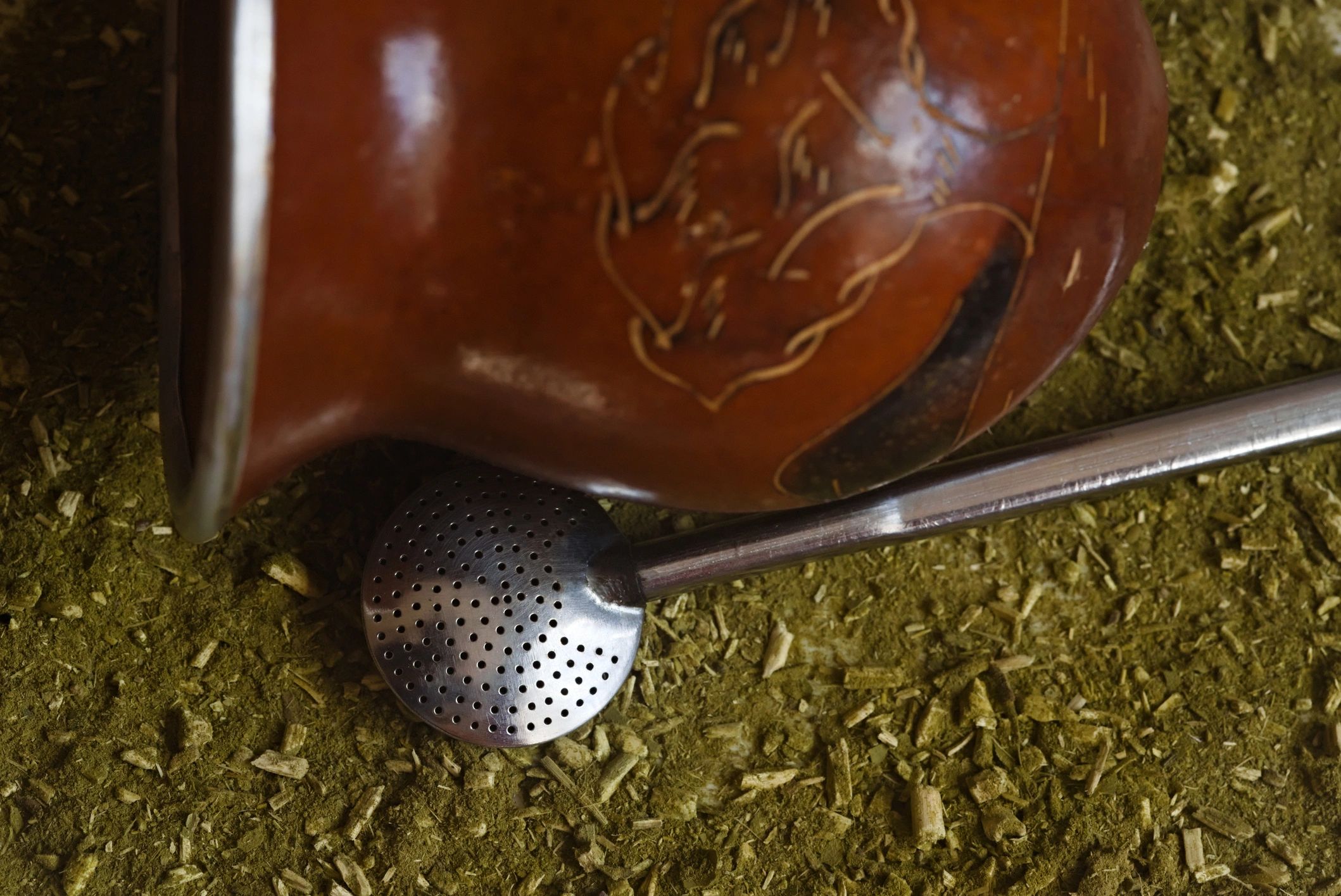
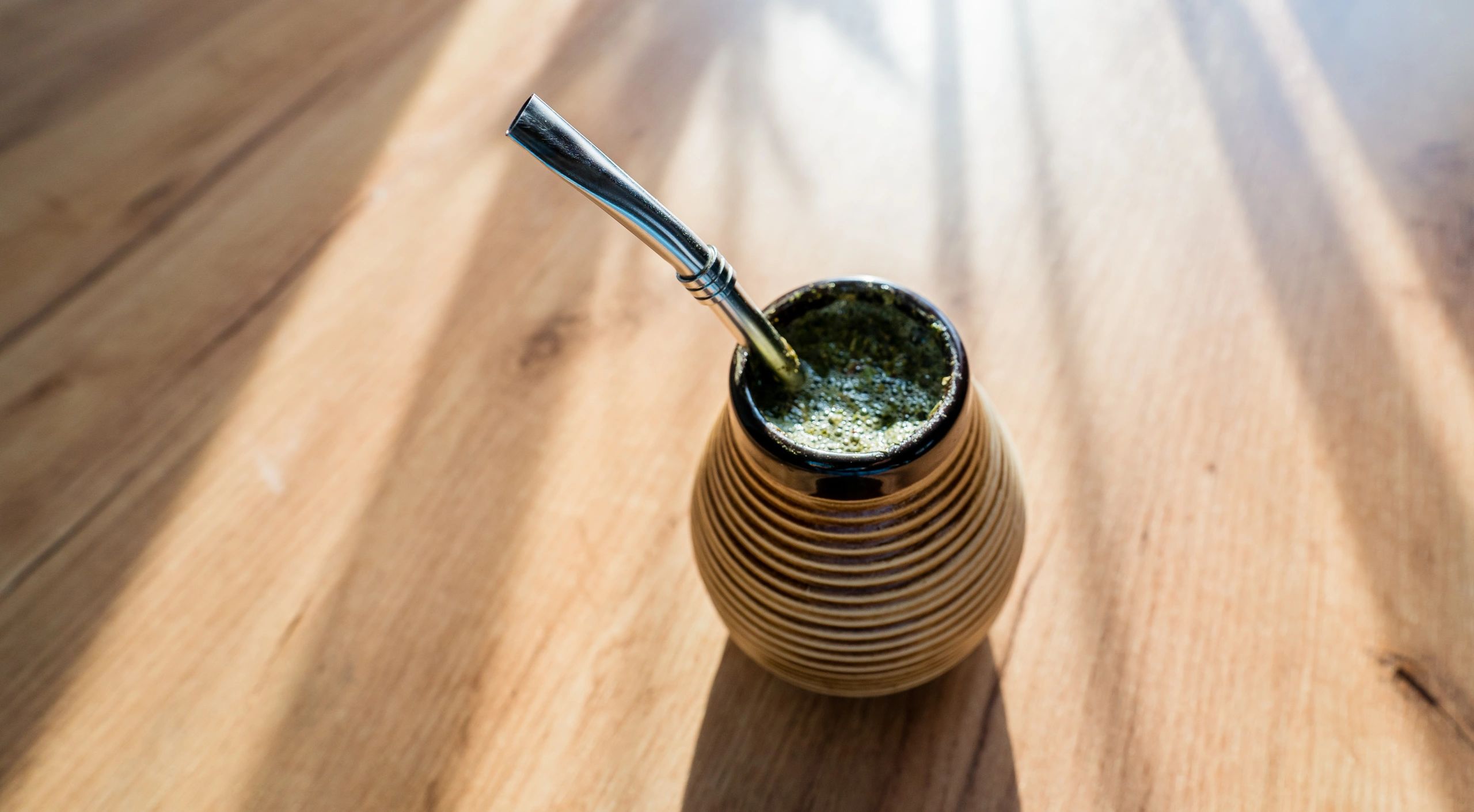
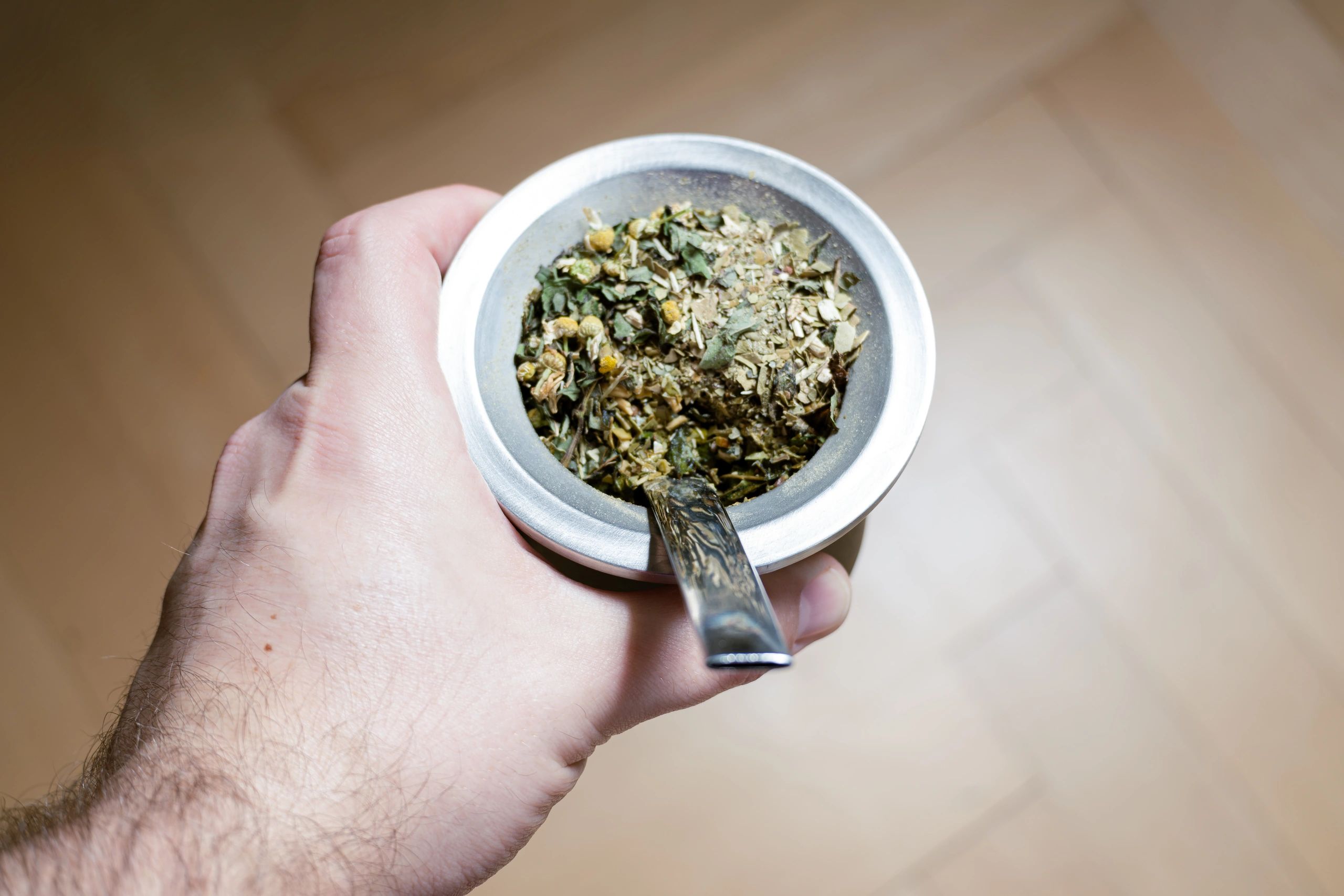
Today, yerba mate is enjoyed traditionally (gourd and bombilla) and in modern formats like mate cocido, ready-to-drink beverages, and cold tereré—often introduced through culture, travel, and specialty shops.
Landscapes that shaped mate culture
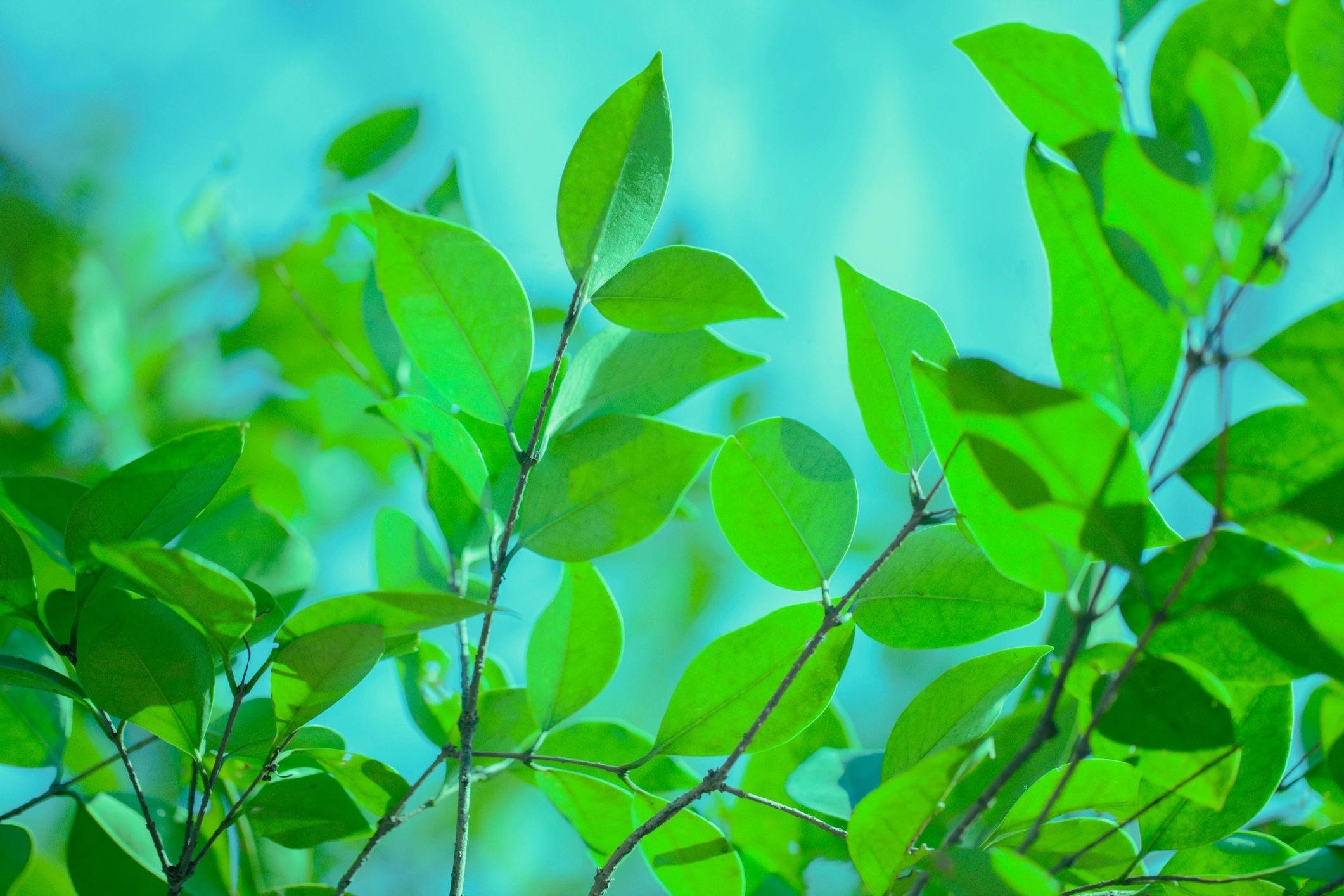
From forested growing regions to everyday kitchen tables, place matters. These visuals highlight the plant, the tools, and the shared ritual.
Culture & context
More than a drink: a shared ritual
In many communities, mate is a symbol of hospitality and connection—passed hand to hand, paced by conversation, and shaped by local preferences.
Shared etiquette
One person often prepares and refills (the cebador), keeping the flow consistent for the group.
Regional styles
Hot mate, chimarrão, mate cocido, and tereré each reflect climate, ingredients, and local tradition.