Mate tea benefits (educational)
Yerba Mate: potential benefits, explained responsibly
Explore what research suggests about Ilex paraguariensis, plus practical safety notes. This page is for education only and isn’t medical advice.
A quick medical disclaimer
Yerba mate is a traditional South American drink enjoyed for its taste and caffeine. The information here summarizes general nutrition and research in plain language. It is not intended to diagnose, treat, cure, or prevent any disease. If you’re pregnant, nursing, have a medical condition, or take medications, check with a qualified clinician before changing your caffeine intake.
What people notice
Commonly reported effects (and what may explain them)
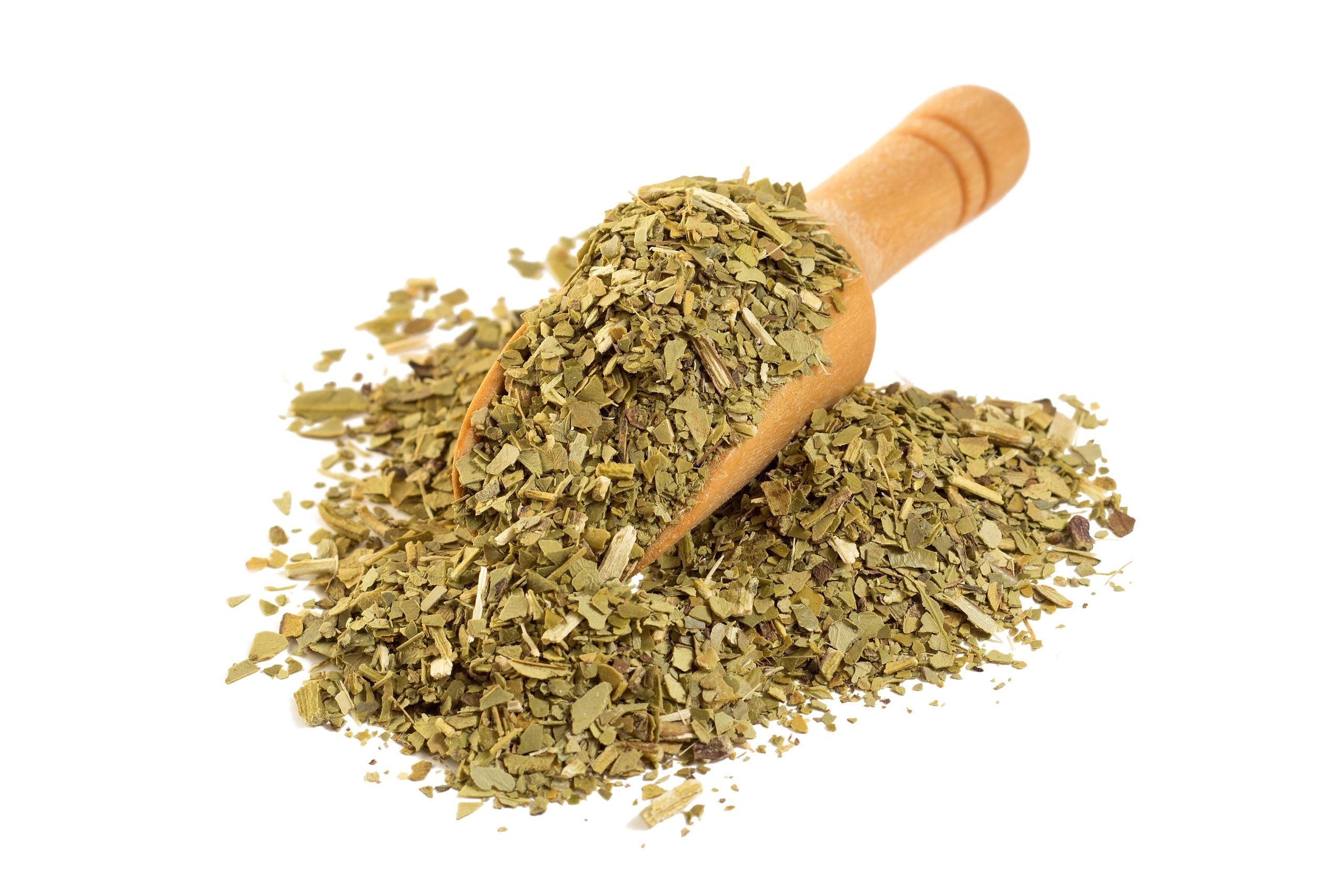
Potential benefit areas
What research often explores
Mental alertness
Caffeine can improve attention and reaction time. Start low if you’re new to mate or caffeine-sensitive.
Exercise performance
Some studies look at caffeine’s role in perceived effort and endurance. Results depend on dose, timing, and individual tolerance.
Metabolic markers
Research sometimes examines weight management and blood lipids. These are complex outcomes influenced by overall diet and lifestyle.
Inflammation & oxidative stress
Polyphenols are studied for their antioxidant activity. Human evidence varies by preparation and study design.
Safety & best practices
How to enjoy yerba mate more comfortably
Small technique choices can change flavor and how it feels. Use these tips as a starting point and adjust to your preferences.
✔
Use hot—but not boiling—water
Very hot liquids can irritate the mouth and throat. Many traditional preparations use water around 150–175°F (65–80°C).
✔
Mind your caffeine timing
If you’re prone to jitters or sleep disruption, keep servings smaller, avoid late-day mate, and consider mate cocido (tea-bag style) for easier dosing.