Yerba Mate (Educational Project)
A brief history of yerba mate
From Indigenous traditions in the Southern Cone to a shared social ritual across South America—learn how Ilex paraguariensis became one of the region’s most iconic drinks.
Early roots
Indigenous origins and early use
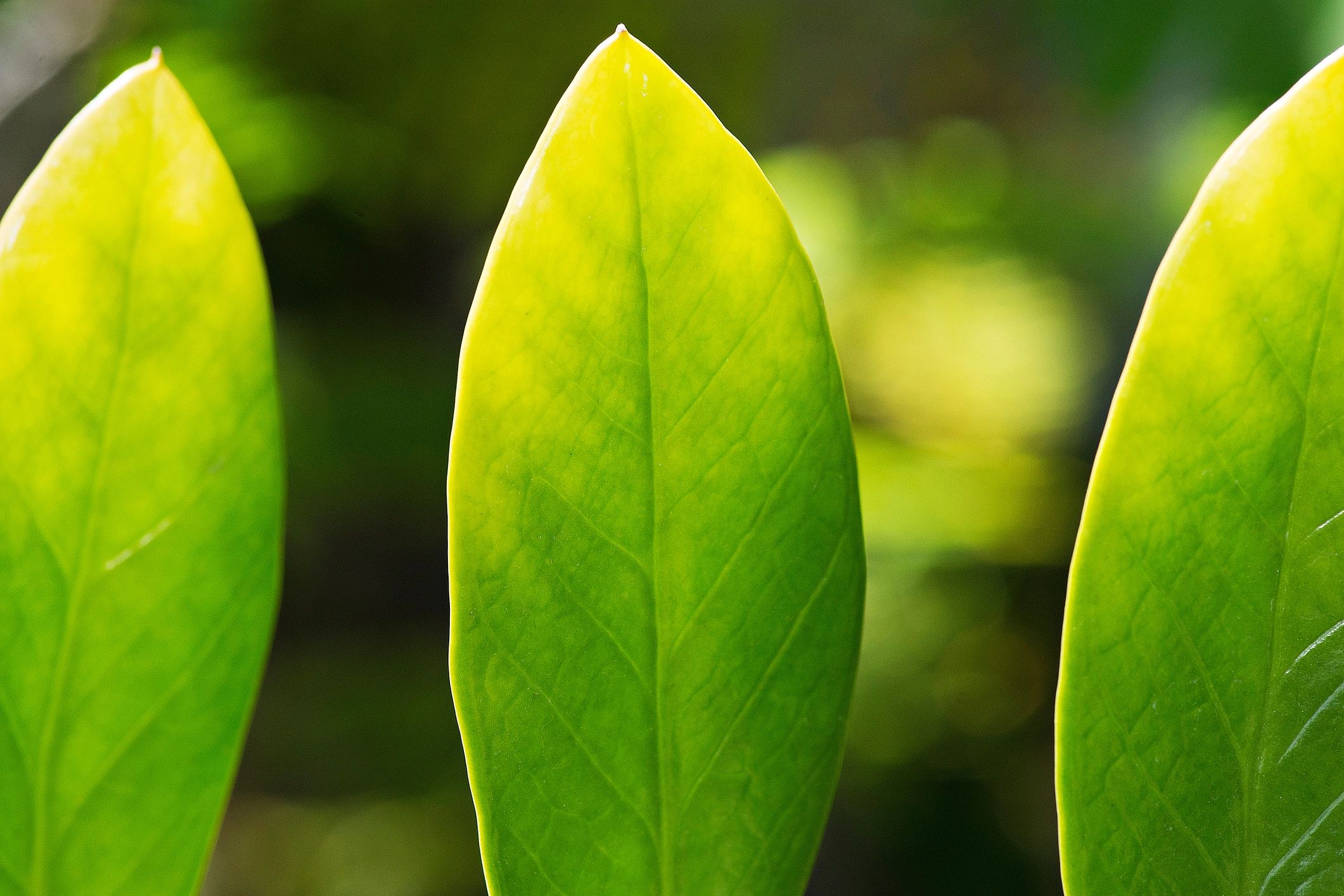
Yerba mate is made from the leaves of Ilex paraguariensis, a tree native to parts of present-day Paraguay, Argentina, Brazil, and Uruguay. Long before modern borders, Indigenous communities prepared and shared the infusion for daily life, hospitality, and community connection.
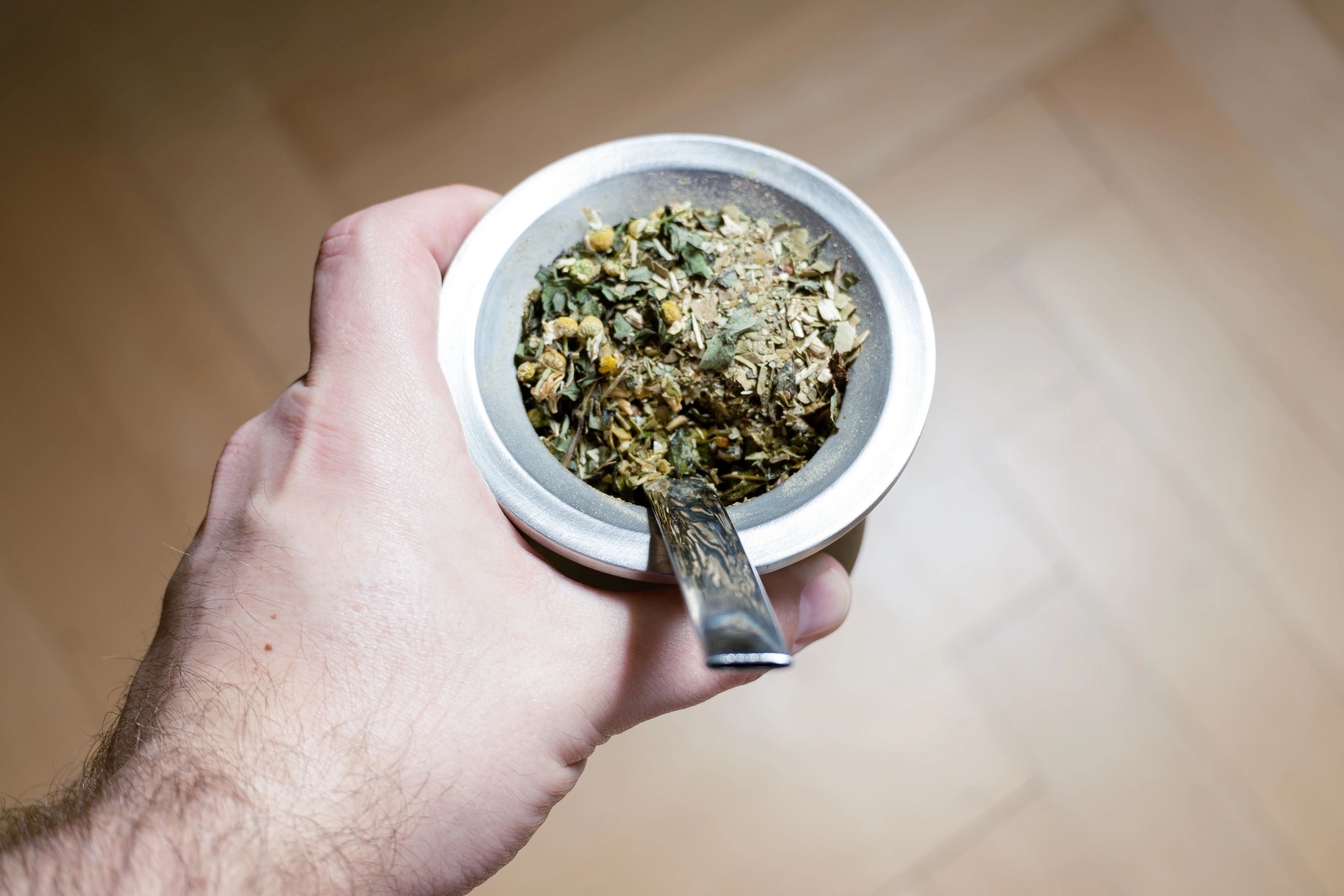
Traditional preparation methods—drying, aging, and infusing the leaves—helped shape the flavor profile we recognize today: herbal, grassy, and pleasantly bitter. The act of sharing a vessel also reinforced social bonds, turning a beverage into a practice.
Mate is more than a drink—it’s a way of gathering, sharing, and taking time together.
A shared ritual
As trade routes expanded and new settlements formed, mate moved with people—carried as a familiar comfort and a practical, energizing infusion.
From local plant to regional staple
How mate spread across the Southern Cone
Over time, cultivation and processing expanded, and yerba mate became widely available—first locally, then across neighboring regions. Different communities developed distinct styles of preparation and serving.
Chimarrão (hot, green)
A Brazilian tradition often using finely milled, vibrant green yerba and a larger gourd—typically served hot and shared.
Tereré (cold)
Popular in Paraguay and beyond, prepared with cold water (often with herbs or citrus) for a refreshing, warm-weather ritual.
Key moments
A timeline of change (high level)
A simplified view of how yerba mate evolved—from regional tradition to a widely recognized cultural symbol.
Pre-colonial traditions
Indigenous communities prepare and share yerba mate as part of daily life and hospitality.
Regional cultivation expands
As demand grows, processing methods and trade networks develop, shaping consistent styles and regional preferences.
Everyday social ritual
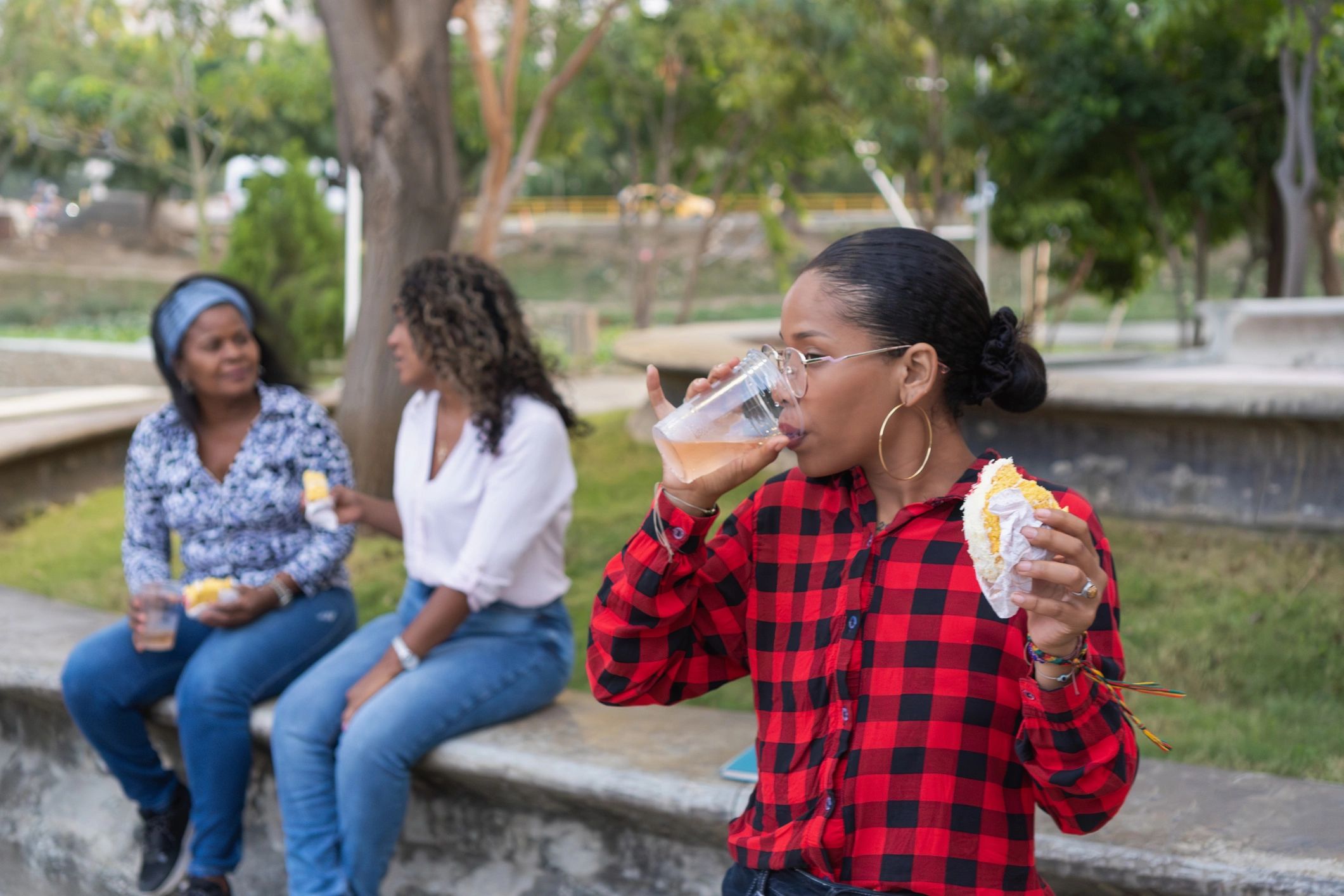
Mate becomes a familiar presence in homes, parks, and workplaces—often shared in a circle as conversation flows.
Global curiosity
In recent decades, yerba mate reaches new audiences worldwide through cafés, ready-to-drink products, and home preparation guides.
Objects and places that shaped the tradition
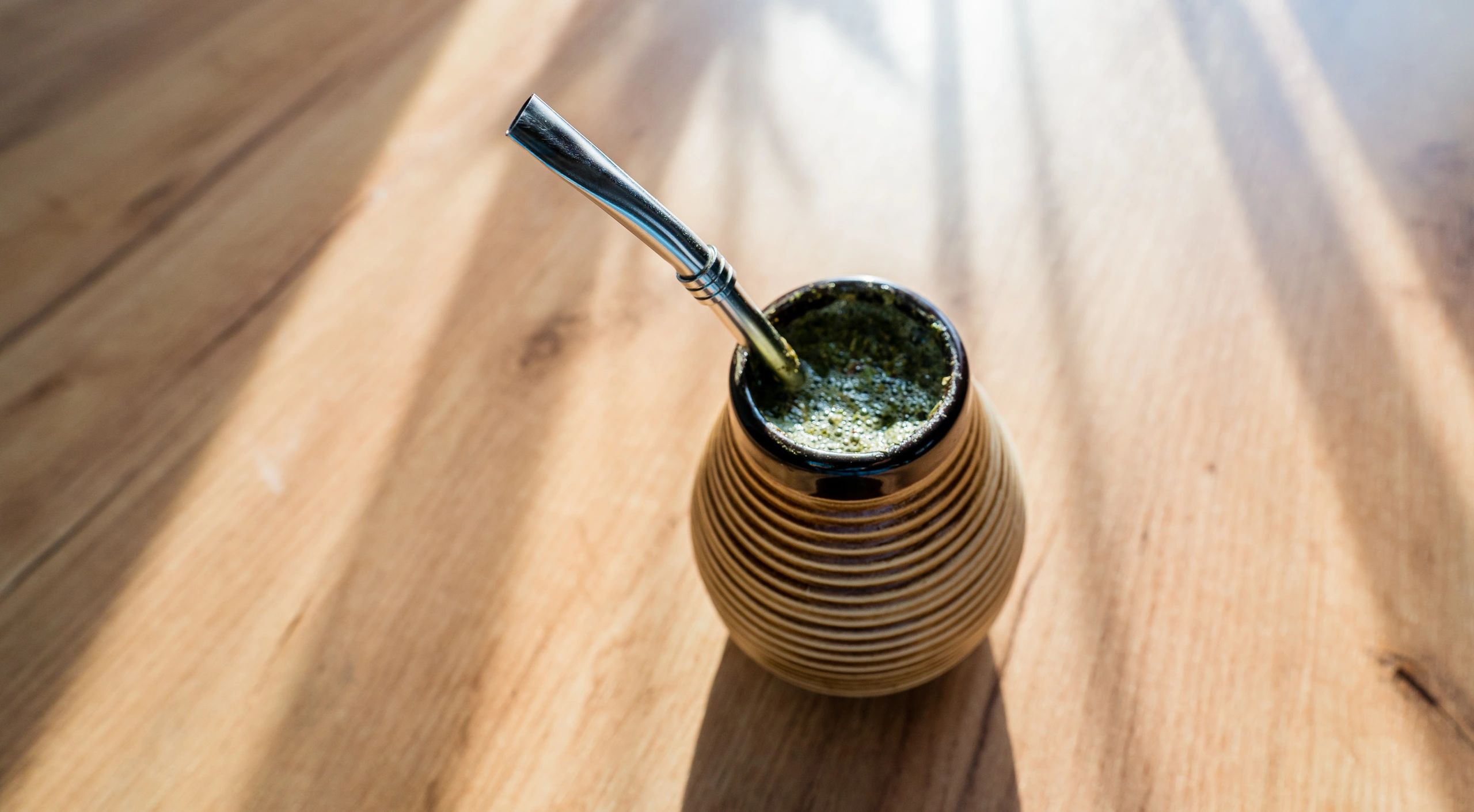
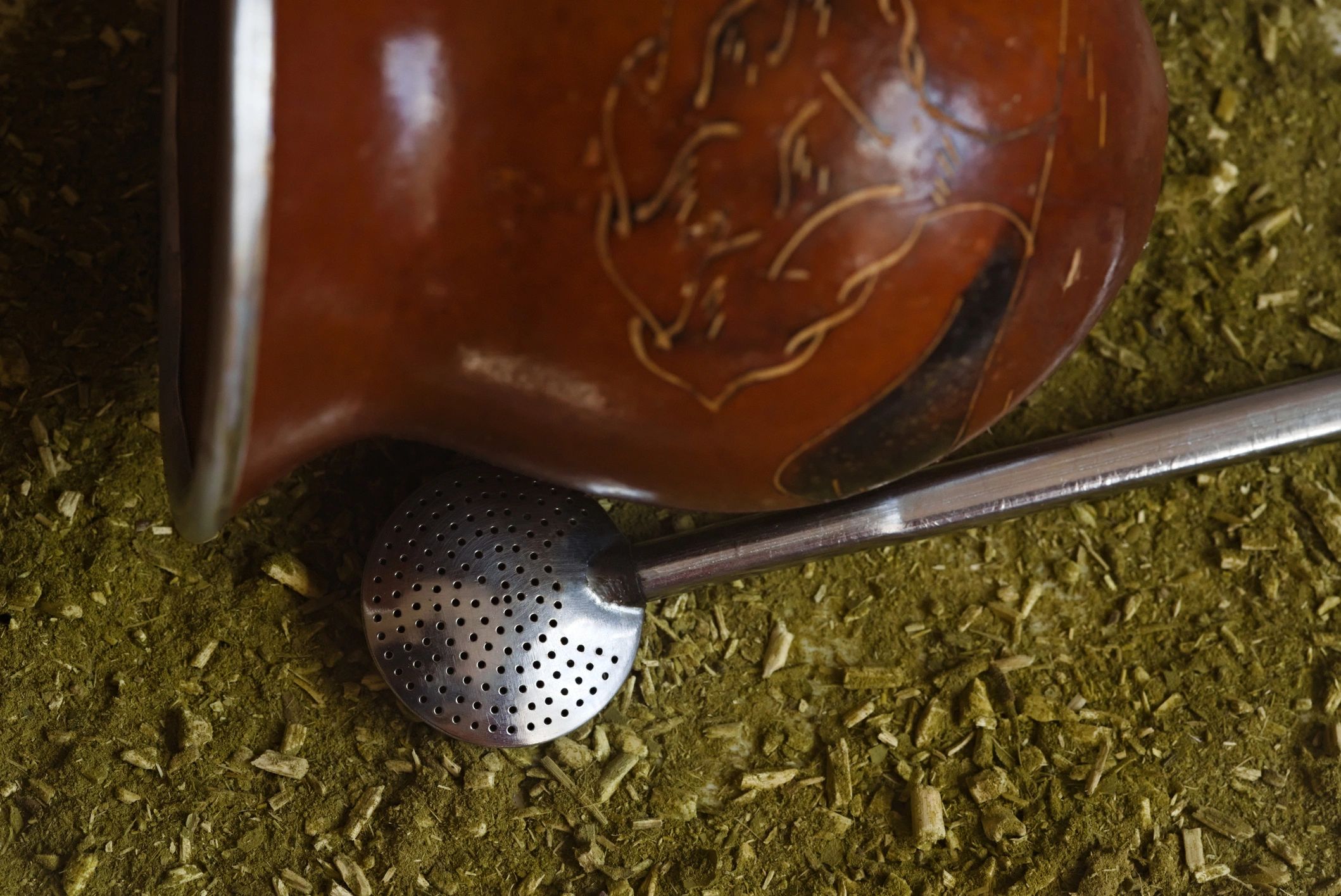
The gourd, the bombilla, the plant itself, and the shared spaces where mate is passed—small details that carry big cultural meaning.